Optimized Bulk Transport: Reliable Freight Solutions for Your Cargo Needs
Professional bulk trucking constitutes a cornerstone for contemporary freight solutions, addressing assorted load requirements. Companies increasingly rely on customized transport and advanced distribution approaches to streamline activities. This tactic not only minimizes outlays but also enhances environmental efforts. As businesses pursue steady options, perceiving the subtleties of bulk trucking becomes indispensable. What points must be reviewed when selecting a partner, and how might organizations optimize their loads for maximum efficiency?
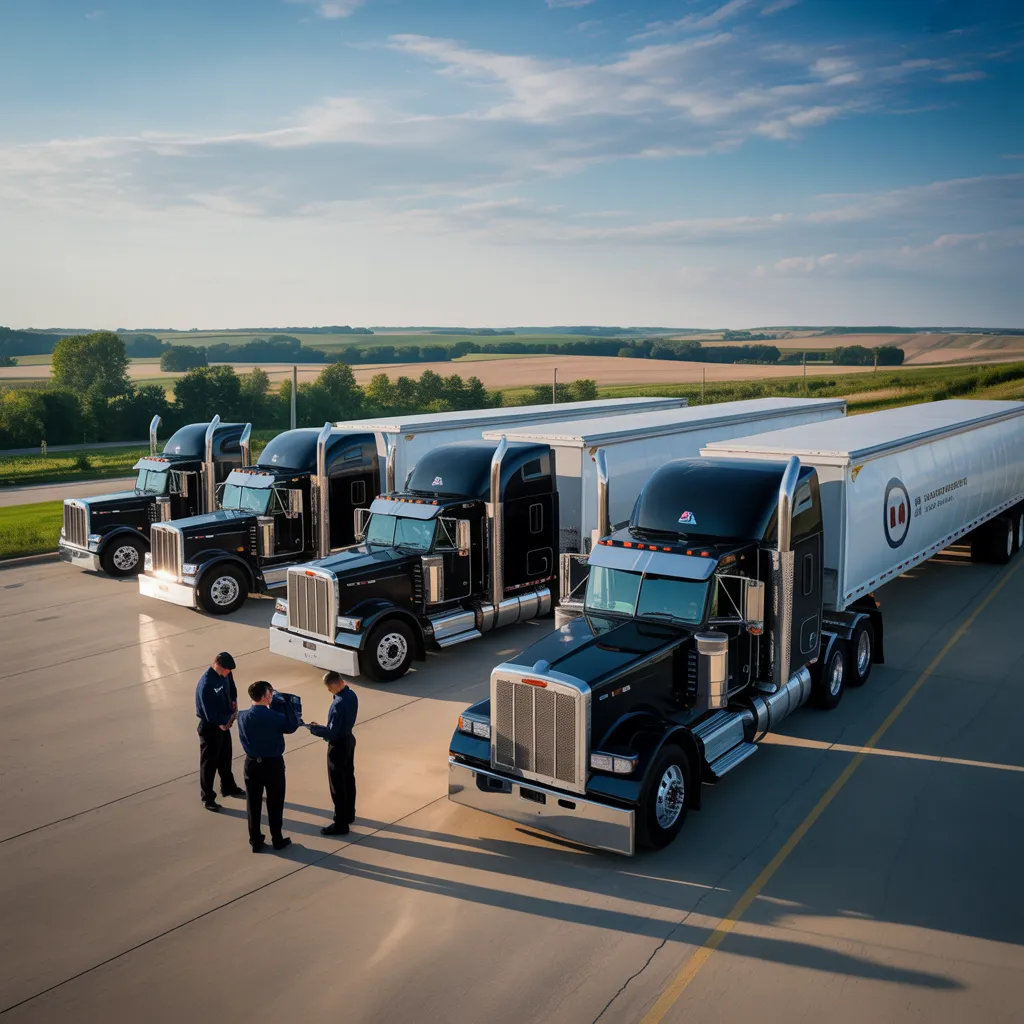
What Precisely Is Bulk Trucking and How It Runs?
Bulk trucking involves the movement of substantial volumes of goods, often in bulk form, using purpose-built trucks engineered for efficient movement and transfer. This type of delivery typically uses the use of bulk containers, tankers, and flatbeds, which can transport different types of cargo such as liquids, construction materials, or grains.
The process starts with the loading of goods at a specified facility, where specialized equipment guarantees quick and efficient handling. Once filled, trucks traverse predetermined routes to deliver the cargo to its destination, often utilizing GPS technology for optimal pathfinding.
Upon arrival, unloading is carried out using machinery adapted to the precise kind of bulk being transported, ensuring minimal spillage and damage. Bulk trucking follows strict safety and regulatory standards, stressing the critical nature of maintaining cargo integrity throughout the delivery. This organized approach greatly enhances supply chain efficiency, supporting industries that depend on comprehensive transportation options.
Primary Advantages of Large-volume Trucking for Your Organization
Efficiency represents a major advantage that organizations can derive from implementing bulk trucking services. By pooling large shipments, enterprises can reduce transportation costs noticeably. This strategy decreases the number of trips needed, which not only cuts fuel expenses but also reduces wear and tear on vehicles.
Furthermore, large-scale hauling comprehensive resource often leads to more predictable delivery schedules, improving supply chain dependability. Companies can more effectively control inventory levels, guaranteeing that they have the necessary goods on hand without excessive inventory.
Moreover, bulk trucking bolsters climate responsibility by lowering the carbon emissions attributable to numerous fragmented deliveries. This environmentally aware approach resonates among shoppers increasingly attentive to ecological footprint.
Finally, bulk trucking offers flexibility, handling diverse cargo types, from raw materials to finished products. Overall, these benefits make bulk trucking a strategic choice for businesses aiming to optimize their logistics operations.
Vital Standards for Picking a Reliable Bulk Trucking Company
Choosing a established bulk trucking vendor is necessary for firms looking to enhance the payoffs of their operational approach. Key metrics to evaluate include the provider's reputation in the industry, which can be assessed through user testimonials and patron feedback. Compliance with protective standards and industry standards is paramount, as it ensures the defense of both cargo and workers. Moreover, assessing the provider's vehicle upkeep and innovations can show their proficiency for timely and efficient deliveries.
Pricing explicitness is yet another vital factor; a reliable provider should extend lucid pricing frameworks without hidden fees. Additionally, flexibility in service range, such as planning and courses, allows firms to conform to variable specifications. Finally, strong communication skills and customer support are paramount, pledging that clients receive bulletins and support throughout the shipping process. By carefully evaluating these criteria, entities can select a provider that fits their logistics goals.
Maximizing Large Volume Cargo for Financial Savings
Boosting budget reductions in bulk cargo operations can markedly strengthen a organization's earnings. Companies can achieve this by implementing optimized cargo handling systems, which minimize turnaround times and minimize personnel costs. Utilizing modern transportation management platforms to follow cargo and enhance routing strategies additionally supports operational excellence, ensuring that transport units are fully utilized and limiting unproductive routes.
Moreover, picking the right type of bulk container can lead to significant financial benefits. For instance, using custom containers designed for specific cargo types can reduce product wear and boost transport effectiveness. Businesses may also negotiate multi-year contracts with trucking providers to secure favorable pricing, thereby stabilizing costs.
Regularly assessing and examining performance metrics permits businesses to identify performance gaps and establish focused improvements. By prioritizing these approaches, organizations can optimize their bulk cargo operations, producing significant cost savings and a stronger competitive advantage in the market.
Comprehending Mass Trucking Guidelines and Compliance
Comprehending the regulations directing bulk trucking is vital for attaining operational success. Key compliance mandates and safety safety protocols shape the industry, influencing both efficiency and legal adherence. Companies must navigate these frameworks to optimize their logistics and maintain safety protocols.
Essential Legal Requirements
Working through the complex landscape of bulk trucking regulations requires careful consideration to various key requirements. First, operators must adhere to federal and state licensing mandates, guaranteeing that all drivers possess the necessary Commercial Driver's Licenses (CDLs). Additionally, compliance with weight restrictions is imperative; vehicles must not exceed specified limits to avoid penalties and maintain road safety. Moreover, proper documentation, including Bills of Lading and freight manifests, is essential for tracking cargo and promoting transparency. Environmental regulations may also apply, particularly concerning emissions standards for trucks. Finally, understanding insurance requirements is essential, as adequate coverage protects both operators and shippers from unforeseen liabilities. Navigating these regulatory aspects is crucial for efficient and compliant bulk trucking operations.
Safety Compliance Standards
Safety compliance standards constitute the principal foundation of streamlined bulk trucking operations, safeguarding the protection of drivers, cargo, and the public. These standards comprise a range of regulations, including vehicle maintenance, driver qualifications, and cargo handling procedures. Companies must adhere to guidelines set forth by federal and state agencies, such as the Department of Transportation (DOT) and the Federal Motor copyright Safety Administration (FMCSA). Regular inspections and maintenance checks are indispensable, as they lower risks associated with equipment failure. Additionally, comprehensive training for drivers on safety protocols bolsters awareness of potential hazards. By fostering a culture of safety compliance, bulk trucking companies not only protect their assets but also build trust with clients and the communities they serve.
Safety Measures for Bulk Trucking Distribution
Making sure of the safety of heavy freight hauling calls for an thorough method that confronts various threats on the road. First, systematic vehicle inspections are essential to identify mechanical faults before they grow worse. Proper training for drivers on managing certain kinds of cargo raises their skill to respond to challenges with success. Additionally, adhering to weight limits reduces overloading, which can compromise stability and braking.
Using secure loading practices, including appropriate restraints, reduces cargo movement during transit. It is also crucial to maintain clear communication with dispatch and other drivers to track road conditions and potential hazards. Employing GPS tracking can deliver real-time updates, enhancing situational awareness.
In conclusion, developing a safety culture within the organization prompts all personnel to concentrate on best practices. By implementing these safety tips, bulk trucking operations can markedly lower risks, guaranteeing the safe movement of goods while preserving lives on the road.
Future Developments in Bulk Trucking: What to Expect?
What breakthroughs lie ahead for the bulk trucking industry? As technology continues to accelerate, several trends are establishing the future of bulk trucking. Automation is set to play a essential role, with autonomous trucks expected to elevate efficiency and diminish operational costs. Moreover, the integration of artificial intelligence and data analytics will boost route optimization and fuel efficiency, allowing for more assured and timely deliveries.
Sustainability remains a principal concern, with an intensifying emphasis on green operational methods. Electric and hybrid trucks are set to gain traction, slashing carbon footprints and aligning with regulatory changes. Additionally, improvements in telematics systems will fortify fleet management, furnishing real-time monitoring and improved maintenance schedules.
Lastly, the growth of e-commerce necessitates versatility in freight transport, urging companies to implement innovative logistics solutions. Collectively, these movements point to a pivotal period for the bulk trucking sector, highlighting optimization, environmental consciousness, and flexibility.
Frequently Posed Questions
What Varieties of Cargo Work Optimally for Bulk Hauling?
Bulk trucking is excellent for moving loose materials such as grains, chemicals, aggregates, and liquids. These cargo types benefit from bulk transport due to their volume and weight, enhancing productivity and lowering overall shipping costs.
What's the Comparison Between Bulk Trucking Rates and Other Shipping Methods?
Bulk trucking rates are usually more cost-saving than competing transport modes for large volumes. This operational advantage emerges from reduced handling costs and economies of scale, making it a top option for transporting significant quantities of cargo.
What Solutions Are Generally Adopted in Bulk Carriage In Modern Times?
Modern bulk hauling employs technologies like GPS tracking for real-time location information, telematics for vehicle analysis, electronic logging devices for compliance, and automated routing software to enhance delivery performance and lower operational costs.
Can Bulk Trucking Handle International Shipments?
Yes, freight hauling can support international shipments. Companies routinely utilize customized transport equipment and operational frameworks to guarantee compliance with international regulations, enabling the transport of goods across borders securely and expeditiously.
What Are the Environmental Effects of Large-scale Trucking?
Bulk freight transport contributes to environmental impacts through emissions of greenhouse gases, fuel usage, and potential structural deterioration of roads. However, improvements in technology and policy aim to mitigate these effects, promoting more sustainable practices within the industry.